
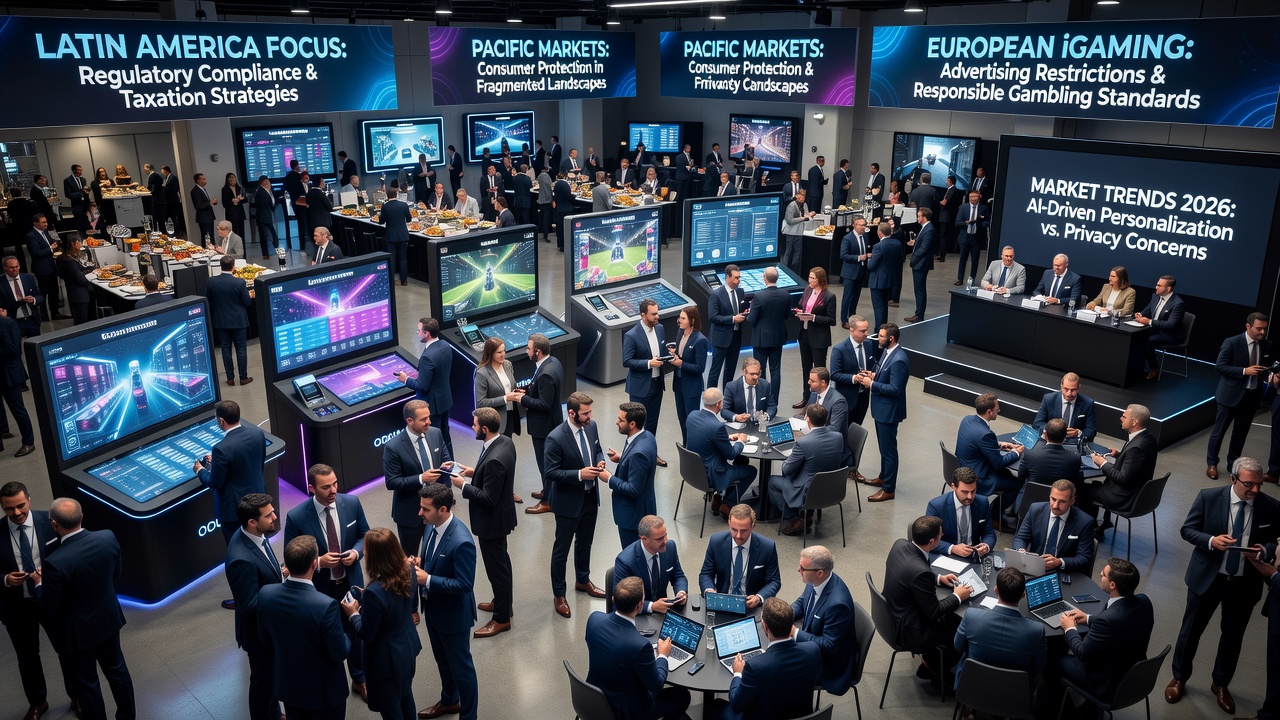
The global iGaming sector runs on relationships as much as on technology or capital. As betting and online casino markets expand into new jurisdictions and regulatory frameworks shift, the conference circuit has become the connective tissue holding the industry together. For newcomers trying to establish a footing and established firms defending market share, the 2026 events calendar offers a structured path to partnerships, deal-making, and regulatory intelligence.
Why Conferences Matter More as the Industry Matures
Gambling is a heavily networked business. Operators depend on affiliates for traffic, suppliers depend on operators for distribution, and payment providers depend on all of them for volume. That interdependence means no single company can grow in isolation. Trade shows and summits compress months of cold outreach into a few days of face-to-face conversation, which explains why the calendar is now dense with regional and vertical-specific events rather than a handful of flagship shows.
This density also reflects regulatory fragmentation. As more countries introduce licensing regimes for betting and online casino products, companies need localized knowledge - on compliance, taxation, and consumer protection rules - that generic global events cannot always provide. Regional conferences focused on Latin America, the Pacific, or specific European markets have grown in response.
A Calendar Spanning Continents and Verticals
Affiliate and performance-marketing events, such as those built around digital acquisition and traffic sourcing, sit alongside broader summits that cover regulation, land-based gaming, and technology procurement. Some notable categories on the 2026 circuit include:
- Affiliate-focused gatherings emphasizing digital advertising, traffic sources, and compliance in marketing practices.
- Regional summits in Latin America and the Pacific addressing local licensing frameworks and emerging market opportunities.
- Large-scale expos combining land-based casino innovation with digital gaming and regulatory discussion.
- Networking-first events organized around major summits, offering smaller, curated interactions between operators, affiliates, and B2B suppliers.
Exhibition halls remain a fixture at larger shows, giving suppliers a venue to demonstrate software, game content, or betting terminals directly to prospective clients. These spaces are less common at smaller or regionally focused events, where the emphasis tends to fall more heavily on discussion panels and structured networking.
What Actually Happens on the Ground
Beyond exhibition stands, most conferences are built around three recurring formats. Panel discussions bring together operators, regulators, and executives to debate market trends, often surfacing compliance challenges before they become widely reported. Roundtables allow smaller groups to exchange more candid insight. And networking functions - dinners, receptions, structured meetups - remain the mechanism through which most actual partnerships and contracts originate.
For companies operating in regulated betting and casino markets, these events also serve a quieter but important function: keeping pace with responsible-gambling standards, advertising restrictions, and payment compliance requirements that vary sharply by jurisdiction. As regulators tighten scrutiny on marketing practices and player protection, conference agendas increasingly reflect that pressure rather than treating it as a side issue.
Choosing Which Events Justify the Investment
With dozens of events now competing for the same audience, selectivity matters. Companies entering new markets benefit most from regional summits with direct regulatory relevance, while established operators may prioritize larger expos offering broader exposure across technology, payments, and international partnerships. Either way, the calendar reflects an industry that continues to professionalize - treating in-person relationship-building not as a marketing expense, but as core infrastructure for growth.